

The Juicing Diet Craze – Is It Worth The Hype?
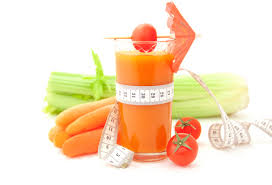
Juicing is another way of consuming fruits and vegetables that provide the essential vitamins, antioxidants and phytonutrients the body needs daily. On this diet, you substitute your 3 meals (more or less) for a mixture of fruit and vegetable juice. By drinking your meals, you will consume more fruit and vegetables than you may ever get to eat at any one time, and give your digestive system a rest.
However, juicing has been taken to another level – a trend brandished all over the internet and magazines advising people of its numerous benefits, especially with regards to weight loss and detoxification.
This low-calorie diet is unsustainable long term, and the downside of consuming only juice is worse than its assumed benefits. The human body is not designed to function off juice alone. Your body will react to the loss of essential fats, nutrients, proteins, fiber and vitamins it needs to grow and develop, and this deficiency may lead to health conditions if left unchecked.
You will lose some weight on this diet when consuming less than the recommended daily caloric intake from meals, however, any weight lost will quickly be regained when you revert to normal eating. You may be prone to osteoporosis and tooth decay from not consuming calcium (strong bones and teeth) and taking high quantities of a diet rich in fructose. You will feel hungry and irritable as drinking liquids alone cannot fill you up – especially if you have an active lifestyle. You will be tired, constipated, suffer from headaches, mood swings, dizziness, experience hair loss, and may develop skin problems (pimples, acne, eczema, dry skin).
Proponents of this diet claim that juicing will provide you with more energy, help your body detox, give you a clearer skin, and improve your overall health. This may be the case for a short period; however, doing this diet over long periods can result in the exact opposite.
Some side effects of juicing
Nutrient Deficiency
The body functions properly when you consume a nutrient-dense diet from all the food groups (protein, fats, whole grains etc.) in the right proportions. By limiting your diet to only fruits and vegetables (juiced), there will be a nutrient shortage that can affect your health over time.
Protein Deficiency
The little protein obtained from fruits and vegetables is not sufficient for the body. Protein is necessary for energy and maintaining muscle mass. Consuming only plant based protein over long periods can lead to the loss of muscle tissue, fatigue, and a slow and sluggish metabolism.
High Sugar Content
Some fruits and vegetables contain high quantities of natural sugar. When the fiber is removed from the juice, you will be left with concentrated sugar which can increase the blood sugar level.
Low Fiber Intake
Fiber is important for regulating the blood sugar level and cholesterol. However, when juicing, some people filter out the pulp (fiber) leaving only the juice behind. This pulp contains the bulk of the nutrients, and when removed, all that is left is high quantities of sugar with very little nutrients. Insufficient fiber intake can result in constipation.
High Carbohydrate Levels
By juicing lots of fruits and vegetables, you’re consuming high quantities of carbohydrates which can raise the blood sugar level if not monitored.
Toxins
The liver, kidneys, immune and digestive systems work in harmony to remove toxins and harmful substances from the body. If this is so, going on an all-juice-cleanse that does not provide all the necessary nutrients will only worsen the situation and create more harm than good. With healthy eating and exercise, the body can very well take care of itself.
Expensive
Fresh fruits and vegetables do not come cheap. You will have to buy a wide variety of fruits and vegetables when on this diet. You may end up spending more money on juicing than you would otherwise have spent on a normal healthy diet.
Conclusion
You can enjoy the benefits of juicing by combining it with your meals or replacing one meal with a fruit and/or vegetable juice (with the pulp included). Sustainable weight loss can be attained by eating a diet comprising of all the food groups (fruits, vegetables, dairy, whole grains, protein and fats) combined with a sound fitness program.
Juicing is another fad diet that does more harm than good. Healthy eating and exercise trumps any kind of diet long term. Any diet or cleanse that claims to be able to shed all the weight you’ve built up over many years (within a short period) is dangerous and should be disregarded. Juicing is a good way to incorporate fruits and vegetables into your diet; however, it should not be isolated and used to replace other food groups.


